
 Français
 Español
The 10 Greatest Football Referees of All Time

TL;DR
- Refereeing greatness rests on big-match temperament, consistency and how an official manages 22 players — not a flawless record.
- Pierluigi Collina and Jack Taylor anchor almost every version of this list, with the rest of the top 10 split between World Cup-level referees and the assistants who work beside them.
- No body has published a definitive all-time ranking, which is exactly why the argument never dies.
The greatest football referees are the officials who controlled the biggest matches without becoming the story — and who are still discussed long after they stopped blowing a whistle. Pierluigi Collina opens nearly every version of that conversation. Jack Taylor, Howard Webb, Nicola Rizzoli, Markus Merk and Szymon Marciniak follow in most of them.
What follows is a working top 10, judged on authority, consistency, longevity and how each official handled a career-defining night. Treat it as a framework for the argument, not a final verdict: the sport has never settled on one.
What actually makes a referee one of the greatest?
Great referees share traits that have nothing to do with popularity. They read danger early, keep the same standard from kick-off to the last minute, and talk players out of trouble instead of reaching for cards.
World Soccer magazine recognises the position with a Referee of the Year award as part of its annual honours. The same awards cover Men's World Player of the Year, Young Player of the Year, Men's World Manager of the Year and Men's World Team of the Year.
The magazine has also compiled all-time lists such as a Greatest XI of All Time and Greatest Managers of All Time. It has not produced a definitive all-time referee ranking — a gap that leaves the debate to supporters, players and journalists and makes every list slightly different.
- Big-match temperament: keeping the same threshold in a final as in a mid-table league game.
- Consistency: players forgive a strict referee far quicker than an unpredictable one.
- Communication: the best officials defuse flashpoints before they escalate.
- Positioning and fitness: you cannot judge what you cannot see.
- Longevity: staying at the top across law changes, new technology and new generations of players.
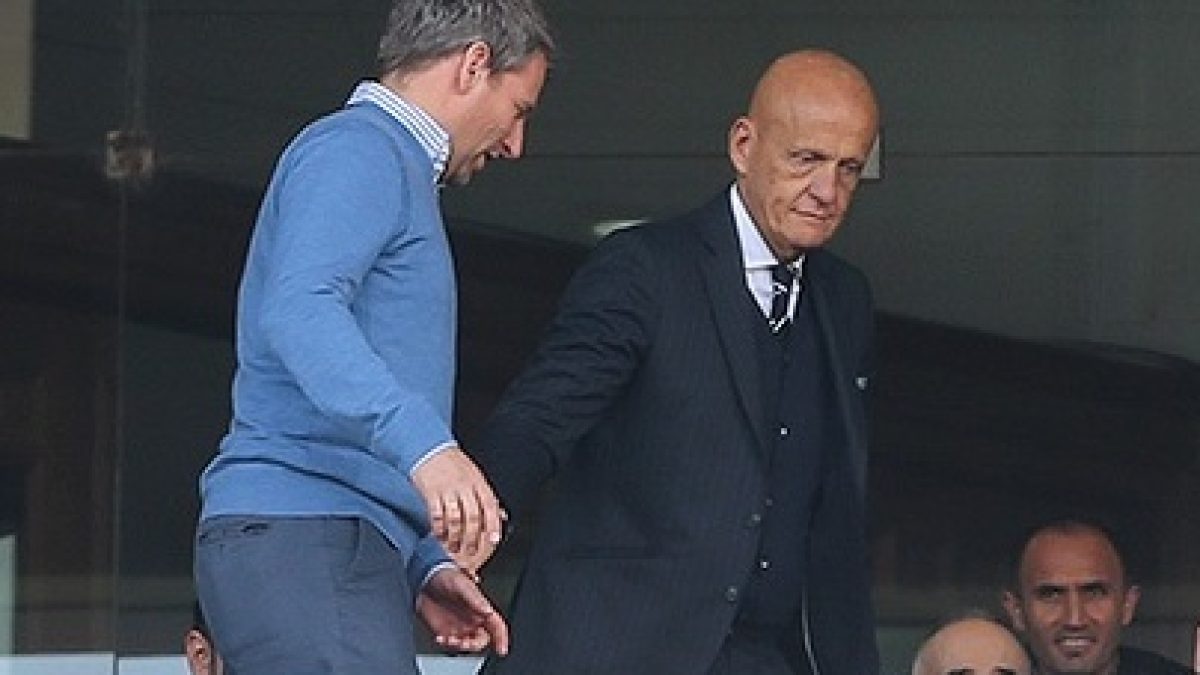
Who are the 10 greatest football referees of all time?
These ten names surface most often when officials, players and journalists argue the point. The order is debatable. The presence of each name is not.
| # | Referee | Nation | The case for |
|---|---|---|---|
| 1 | Pierluigi Collina | Italy | The complete package: authority, positioning and a presence that crossed into popular culture. |
| 2 | Jack Taylor | England | An English official whose career is tied to the 1974 World Cup Final, a match his Wikipedia entry treats with its own subsection. |
| 3 | Howard Webb | England | Commanded the biggest occasions in English and European football, then shaped officiating off the pitch. |
| 4 | Nicola Rizzoli | Italy | Carried the Italian tradition of calm, positional refereeing onto the largest international stages. |
| 5 | Markus Merk | Germany | A fitness obsessive whose longevity at the top set the standard for the modern professional referee. |
| 6 | Szymon Marciniak | Poland | The leading Polish official of his generation and a fixture at the sharp end of major tournaments. |
| 7 | Felix Brych | Germany | A long Bundesliga and European career built on a high, repeatable threshold for cards. |
| 8 | Ravshan Irmatov | Uzbekistan | The standard-bearer for Asian refereeing at World Cup level. |
| 9 | Sándor Puhl | Hungary | A leading European official of his generation, respected for handling high-tempo matches. |
| 10 | Kim Milton Nielsen | Denmark | A Danish referee who paired a long domestic and international career with a firm grip on difficult games. |
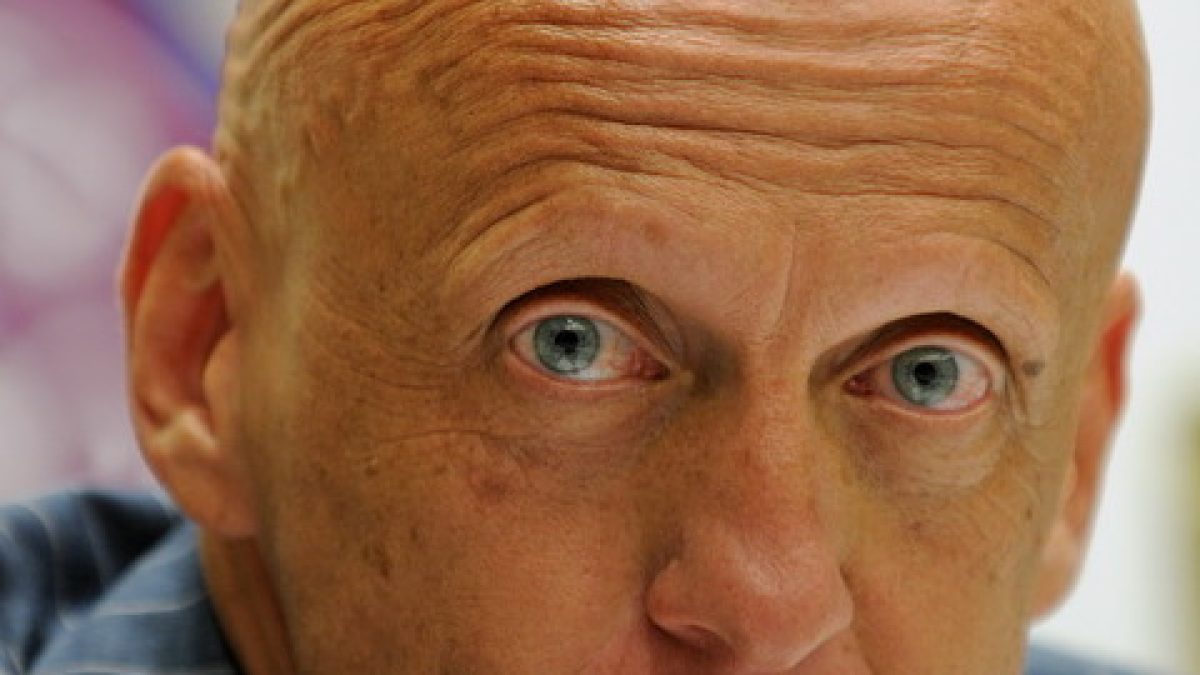
Why does Pierluigi Collina still top the list?
One match cannot explain Collina. Wikipedia's article on him spans his refereeing career, his later career, his personal life, the honours he collected and the major matches he officiated — a structure that reads like a full career rather than a highlight reel.
His profile also travelled further than most officials' ever do. The same article carries an 'In popular culture' section broken out into music, advertising and video games, and the entry is published in 50 language editions of Wikipedia. Very few referees become known to people who have never watched a full match.
For anyone who cares about how decisions get made, that fame is useful context. A referee with Collina's authority changes how players behave around him, and behaviour shapes matches. When a contentious call dominates the weekend, follow how the fallout is covered in the BetKika newsroom.
What makes Jack Taylor's 1974 World Cup Final so significant?
Taylor's Wikipedia page devotes a dedicated subsection to the 1974 World Cup Final within his refereeing career. That detail shows how refereeing history gets written: one night can carry more weight than a decade of steady work.
The same article also documents his honours, the major matches he refereed and books associated with him. Together, the record shows a full career behind a single famous fixture — which is how most referees end up being remembered. One final, one decision, one lasting image.
Should assistant referees be part of the conversation?
Yes. Modern officiating is a team sport, and the best referees lean on assistants who read the same game. Darren Cann is the clearest example of an assistant whose record stands on its own.
Cann is an English football referee whose Wikipedia article covers both his playing and his refereeing careers. His officiating record includes the FA Cup Final, the UEFA Champions League, the UEFA European Championships, the FIFA World Cup and the FIFA Confederations Cup — a spread few officials at any level can match. Wikipedia records his date of birth as 22 January 1969 and lists a separate achievements section for him.
Include assistants and the top 10 gets harder, not easier. A flag on the far side decides offside calls that define seasons, and the best referees treat that flag as part of their own decision-making.
How should you judge a referee during a match?
Stop watching the ball for ten minutes and watch the referee instead. Movement, positioning and body language tell you more about quality than any single whistle.
- Where is the referee standing when possession turns over? Good positioning removes guesswork.
- How early do they speak to players? Early words prevent late cards.
- Is the threshold for fouls the same in the closing stages as at the start?
- Do they signal advantage clearly and come back to the original foul when it does not materialise?
If you want to test any of that properly, pick a full match on BetKika live streams and follow the official rather than the ball. It changes how you see the game and makes you a sharper judge of the next controversial decision.
Which current referees are still building their case?
This list is not closed. Szymon Marciniak and Felix Brych have both worked at the top of European and international football, and several officials sit just outside the ten. Anders Frisk, Néstor Pitana, Viktor Kassai, Björn Kuipers and Daniele Orsato all have firm supporters.
Career length matters here. An official who stays at the elite level through multiple law changes and the arrival of video review builds a body of work that is far harder to argue with than one strong tournament. The next decade will reshape this list.
What has changed since the days of Jack Taylor?
Almost everything around the referee has changed, even if the whistle itself has not. Goal-line technology, video review, additional assistants and far heavier broadcast scrutiny now surround every major decision.
Fitness standards have risen with them. Modern officials train like athletes because the game is faster, the spaces are smaller and the cameras catch positioning errors that would once have gone unnoticed.
The consequence for this debate is simple. Referees today are judged on more evidence than any previous generation, and the margin for an off night is thinner. That makes sustained excellence at the top harder to achieve — and more impressive when it happens.
Frequently asked questions
Who is the greatest football referee of all time?
Pierluigi Collina is the name most often given. His authority on the pitch, his record in major matches and his reach beyond the sport — Wikipedia even tracks his appearances in music, advertising and video games — make him the default answer in most debates.
Is there an official award for the best referee?
World Soccer magazine hands out a Referee of the Year award as part of its annual honours, alongside categories such as Men's World Player of the Year, Young Player of the Year, Men's World Manager of the Year and Men's World Team of the Year. The magazine has also published all-time lists like a Greatest XI of All Time and Greatest Managers of All Time, but no equivalent all-time referee ranking.
Do other versions of football have their own referees?
Yes. Wikipedia's article on sports table football includes a section dedicated to referees within the sport, alongside coverage of FISTF. Officiating structures exist wherever the game is played competitively, in any format.
Ranking referees is harder than ranking players, because the best ones leave no highlight reel. They leave a match that ran without a fight, a final that stayed about football, and players who accepted a decision and got on with the game.
That is the real standard. Collina and Taylor meet it. So do the assistants working the far side and the officials who will take over the next decade of big nights.
21+ Bet responsibly. Set your limits before you play.


